

Turning Generosity into Lasting Opportunity
Every meaningful change begins with an opportunity. Every lasting opportunity needs a resource behind it.
Across Tanzania, children dream of an education that can open doors to a different future. Families work to build secure livelihoods. Rural communities seek access to learning, essential services and opportunities that allow them to thrive without losing their cultural identity or independence.
At AGAMA Charity, we believe that these aspirations deserve more than sympathy. They deserve thoughtful investment, responsible partnerships and sustained commitment.
Founded in Tanzania in 2011, AGAMA Charity works to advance education, strengthen vulnerable communities and support pathways towards sustainable development. Our work is guided by a simple belief: when people are given the right opportunities and resources, they can build stronger futures for themselves, their families and their communities.
Our funding resources connect this mission with the people, institutions and organisations capable of helping it grow.
We invite philanthropists, international foundations, institutional donors, corporate partners, diaspora communities and individual supporters to become part of this work.
1. Where Your Support Creates Opportunity
Funding is most meaningful when it responds to a clearly identified need. AGAMA Charity seeks resources for programmes that address practical challenges while building the foundations for long-term progress.
Education: Opening Doors to a Different Future
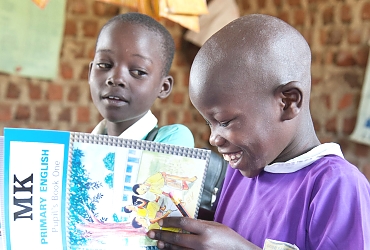
For a child, access to education can be the beginning of a lifelong transformation. School fees, learning materials, uniforms, transport and other essential costs can determine whether a child attends school consistently or falls behind.
Through education support for children and vulnerable families, AGAMA Charity seeks to reduce these barriers and help children pursue their potential.
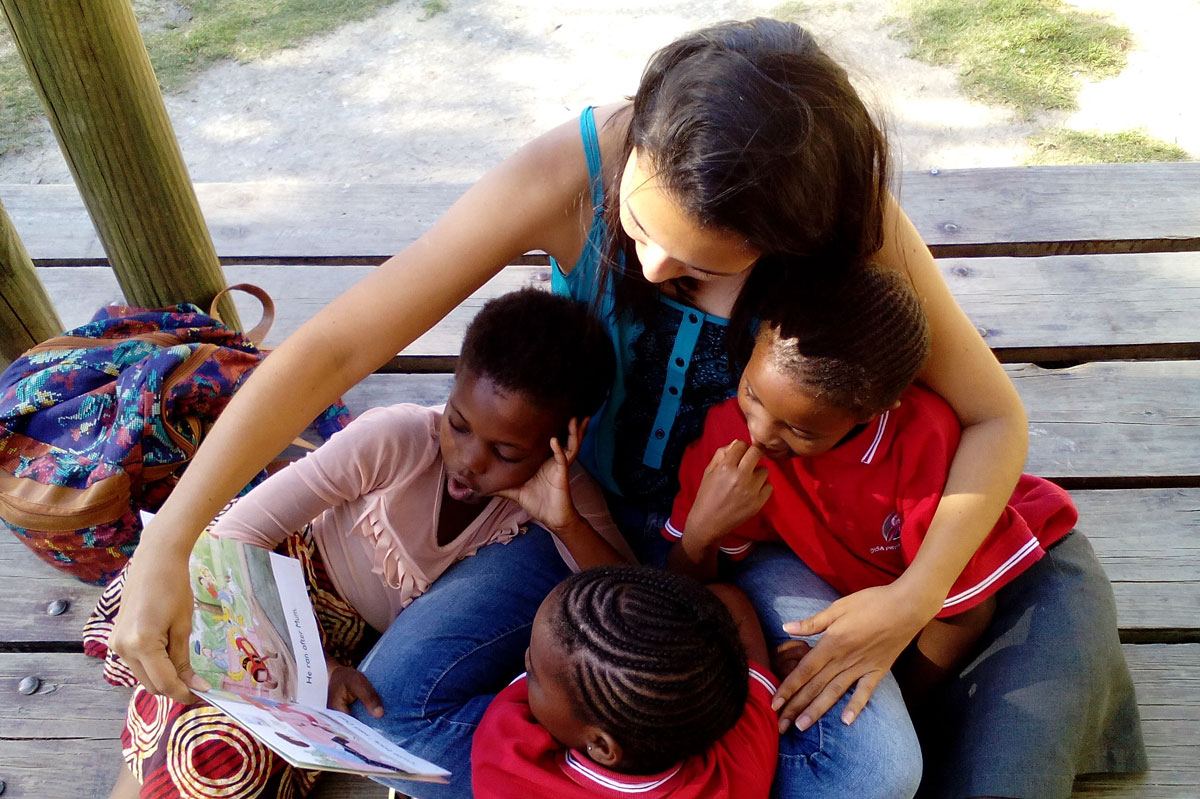
Funding may support school-related expenses, learning materials, educational access for underserved communities, village libraries, preschool initiatives and appropriate support for children without adequate family resources.
The purpose is not simply to fund a school year. It is to help protect a child's opportunity to learn, develop confidence and build a future.
Community Development: Investing in Local Potential
Sustainable development begins by listening to communities and understanding their priorities.
AGAMA Charity seeks partnerships that strengthen local capacity, expand access to opportunities and support practical community-led solutions. This includes initiatives serving rural and underserved communities, including Hadzabe and Maasai communities where programmes are developed in response to identified needs and local priorities.
Funding may support educational access, community learning facilities, appropriate solar-powered learning infrastructure, essential community resources and locally relevant development initiatives.
Our ambition is to support communities as active participants in their own development, respecting their dignity, knowledge and cultural identity.
Livelihoods: From Immediate Support to Greater Independence
Financial hardship can limit a person's ability to secure housing, develop a skill or establish a reliable source of income.
Where appropriate, AGAMA Charity supports livelihood initiatives designed to help vulnerable individuals move towards greater stability and economic self-reliance.
Resources may support vocational skills, small-enterprise start-up costs, essential livelihood equipment, mentoring and structured follow-up.
The objective is to look beyond immediate assistance and invest in practical opportunities that can strengthen independence over time.
Health, Wellbeing and Community Resilience
Healthy communities need access to information, essential resources and supportive environments.
Subject to programme priorities, available resources and appropriate partnerships, funding may help advance community wellbeing and initiatives that address identified local needs.
Every proposed activity should have a clear purpose, a defined beneficiary group and a realistic approach to implementation and monitoring.
Environment and Conservation: Protecting the Future We Share
Education, community wellbeing and environmental sustainability are closely connected.
AGAMA Charity seeks to encourage approaches that recognise the relationship between people, natural resources and future generations. Relevant initiatives may include environmental awareness, conservation education and community participation in sustainable development.
Through its broader relationship with responsible tourism, AGAMA's work also reflects the potential for Tanzania's natural heritage to contribute to local opportunity and long-term stewardship.
2. Ways to Fund Our Mission
There is no single way to create impact. Different funding partners can contribute at different levels, according to their objectives, resources and areas of interest.
Individual philanthropy and major gifts
Individuals and families can support a particular child, education initiative, community programme or defined project. Major gifts may help expand an established programme or finance a carefully assessed initiative over a longer period.
International foundations and institutional grants
Foundations and institutional donors can explore programme-specific funding, multi-year partnerships and projects aligned with shared development objectives. Proposals can be developed around agreed outcomes, realistic budgets, implementation plans and reporting requirements.
Corporate social responsibility and strategic partnerships
Companies can contribute through financial grants, employee giving, skills, equipment or other appropriate forms of support. Partnerships should have a clearly defined purpose and transparent arrangements for the use of resources.
Diaspora and community giving
Tanzanians abroad, friends of Tanzania and community networks can help connect resources with local priorities. Collective giving can support education, learning facilities and other clearly defined community initiatives.
Monthly and recurring contributions
Regular giving can help provide greater continuity for planned activities. Where recurring funding is established, AGAMA Charity can plan commitments in line with confirmed income and programme requirements.
In-kind contributions and technical expertise
Appropriate donations of educational materials, equipment, professional services and technical expertise can complement financial contributions when they respond to an identified need and can be responsibly received, managed and maintained.
3. From Contribution to Measurable Progress
We believe donors should understand not only what their funding supports, but also how decisions are made and how progress is assessed.
Our approach to programme funding is built around a clear sequence:
Identify the need. Understand the problem, the people affected and the priorities expressed by the relevant community.
Design the intervention. Define the objectives, activities, beneficiaries, implementation timeline and intended results.
Develop a realistic budget. Identify quantities, unit costs, delivery expenses and appropriate monitoring costs.
Manage resources responsibly. Apply appropriate financial controls, procurement procedures, supporting documentation and authorisation arrangements.
Monitor implementation. Track activities, expenditure, progress and challenges against the agreed plan.
Report and learn. Share appropriate programme updates and financial information with donors, assess results and use lessons learned to improve future work.
Our commitment is to develop a funding culture in which compassion is supported by evidence, and ambition is matched by responsible implementation.
4. Responsible Stewardship and Donor Confidence
Every contribution represents trust. We take seriously the responsibility to use resources for their intended purposes and to protect the people and communities our programmes serve.
AGAMA Charity's institutional approach emphasises responsible governance, financial accountability, safeguarding, programme oversight and transparent communication.
Depending on the programme and the requirements of the funding agreement, appropriate documentation may include:
- Programme proposals and defined objectives.
- Itemised budgets and cost assumptions.
- Implementation plans and beneficiary selection criteria.
- Financial records and supporting expenditure documentation.
- Monitoring and evaluation frameworks.
- Progress reports and available evidence of results.
- Safeguarding and community-protection procedures.
- Project completion reports and financial reconciliations.
Restricted contributions should be managed according to their agreed purpose and applicable requirements. Any proposed change in the use of restricted funding should be addressed through the appropriate donor-agreement process.
We aim to communicate clearly about what has been funded, what has been delivered, what remains in progress and what challenges require further attention.
Our goal is to build partnerships on a foundation of integrity, mutual accountability and respect.
5. Funding Priorities and Partnership Opportunities
We welcome conversations with prospective partners interested in supporting clearly defined programmes and developing sustainable funding relationships.
Potential areas for collaboration include:
- Children's education: school access, educational materials and support for vulnerable children.
- Community learning: village libraries, preschool initiatives and educational access for underserved communities.
- Hadzabe and Maasai community initiatives: locally informed education and development projects.
- Livelihood and self-reliance: practical initiatives supporting skills, enterprise and economic independence.
- Community wellbeing: appropriately designed interventions responding to identified local needs.
- Environmental education and conservation: initiatives linking community participation, learning and environmental responsibility.
Specific funding requests, budgets and implementation commitments should be developed following programme assessment and confirmation of available capacity.
We welcome both project-specific contributions and discussions about longer-term institutional partnerships.
6. Partner With AGAMA Charity
We believe the strongest partnerships begin with a shared purpose and grow through consistent communication, responsible management and demonstrated progress.
Whether you are an individual philanthropist, a family foundation, a corporate organisation, a diaspora network or an institutional donor, we welcome the opportunity to explore how your priorities may align with our work in Tanzania.
Together, we can identify meaningful opportunities, develop realistic plans and establish clear expectations for implementation and reporting.
Let us move beyond the act of giving towards the lasting value of what giving makes possible.
Begin a Funding Conversation
If you are considering a grant, major gift, programme sponsorship or strategic partnership, we invite you to contact AGAMA Charity.
Please tell us about your funding priorities, areas of interest and preferred partnership approach. Our team can then explore relevant programme opportunities and the documentation needed for further consideration.
Contact AGAMA Charity
Website: www.agamacharity.org
Email: [info@agamacharity.org]
AGAMA Charity
Accountable Leadership. Responsible Stewardship. Sustainable Impact.
Tanzania — Investing in opportunity, dignity and a more sustainable future.